 AGreenNest
Hydroponic Growing
Hydroponic Beets: A Precise Grow Guide
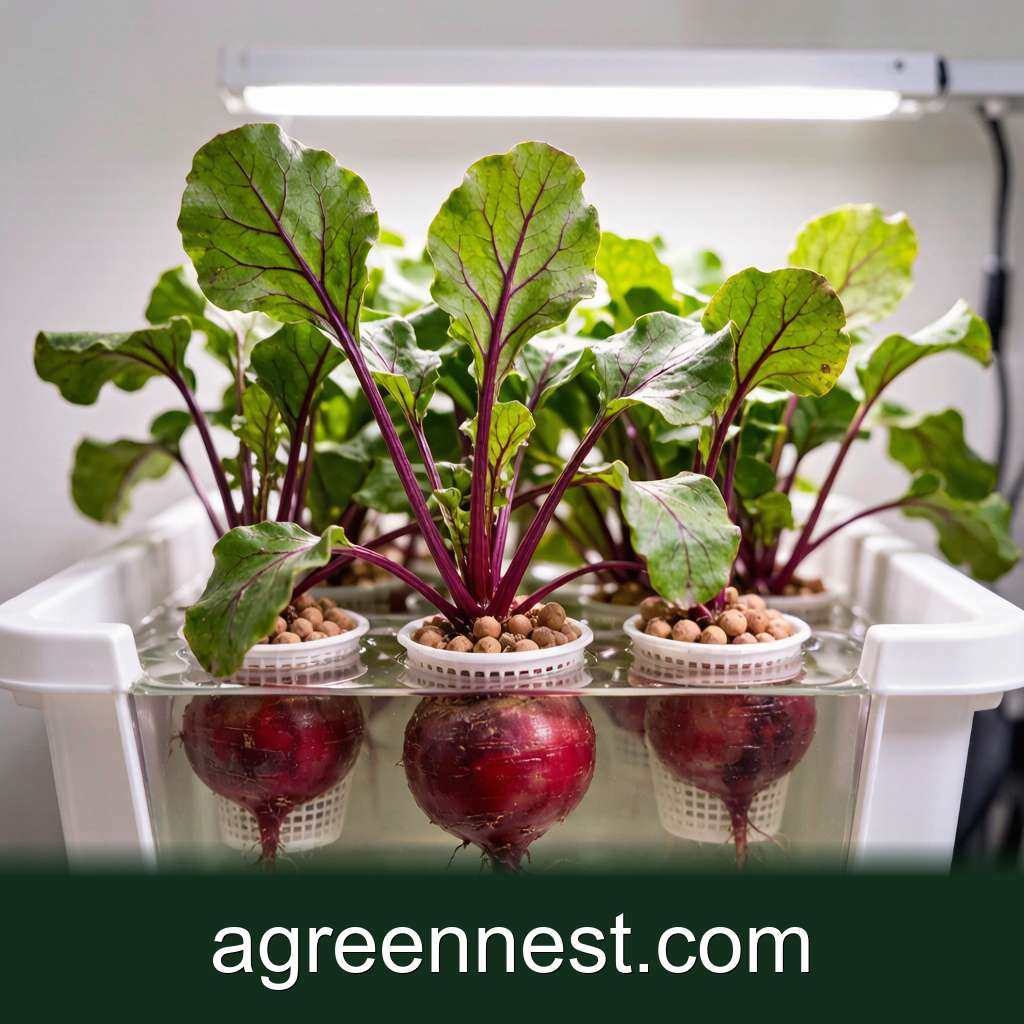
Beetroot grows well in hydroponics using deep water culture or the Kratky method. Hold the nutrient solution at pH 5.8 to 6.2 and EC 1.8 to 2.4, give 12 to 14 hours of light, and you can pull roots 4 to 6cm wide about 55 to 70 days after sowing.
Most people try lettuce or basil first in hydroponics and never look at root vegetables. That is a mistake. Beetroot is one of the easier crops to run in a bucket system, and the roots come out cleaner than anything from the garden because there is no soil to scrub off. Here is the exact setup I use for a steady harvest.
The quick version: beets want a steady nutrient film, cool roots, and a long enough run to size the root. Skip the fancy gear. A deep water culture (DWC) tote or a passive Kratky jar handles a full crop. The numbers below are what actually matter.
Which system works best for beets?
DWC or Kratky, not NFT. Beets form a fat taproot, and NFT channels are too shallow to size a 4 to 6cm root. A DWC tote with a 10 to 15cm deep nutrient reservoir gives the root room and keeps the crown wet but not flooded. The DWC build guide has the parts list, and the Kratky method guide covers the no-pump version if you want to start with one jar.
Use a 15 to 20 litre tote per four to six plants. Net pots of 5 to 8cm sit in the lid, filled with clay pebbles to hold the stem. The clay pebbles explainer covers why they beat rockwool for root crops. Keep the water level about 2cm below the net pot base so the root tip drinks but the stem stays dry.
What are the exact nutrient numbers?
pH 5.8 to 6.2. EC 1.8 to 2.4 mS/cm. That EC is higher than lettuce and lower than tomatoes, because beets are moderate feeders that sulk if you push them hard. I run a standard hydroponic vegetable formula at full strength once the true leaves appear, and I check the reservoir with a meter twice a week. The nutrients guide explains how to mix and when to top up, and the pH management guide is the one to read if your readings drift.
Temperature is the quiet factor. Beets want the root zone at 16 to 22°C. Above 24°C the roots get woody and the tops bolt; below 12°C growth stalls. In a warm room, drop the tote into a larger bucket of cool water or run the pump at night to shed heat. Cool roots are the difference between sweet and bitter.
How much light do hydroponic beets need?
12 to 14 hours a day of strong light. Beets are not a shade crop, and a weak light stretches the leaves and shrinks the root. A full-spectrum LED panel at 150 to 200 µmol/m2/s over the canopy does it. The grow light timer guide sets the schedule so you are not guessing. If you are choosing a first system, the best kits list flags which ones ship a light strong enough for roots, not just greens.
How Do I Start Beets From Seed in Hydroponics?
Germinate in a nursery tray, not straight in the net pot. Sow seed 0.5 to 1cm deep in a damp perlite and vermiculite mix, keep it at 18 to 22°C, and you get sprouts in 7 to 14 days. Beets are slow to germinate in cold, so do not panic if nothing shows in the first week.
Once a seedling has two true leaves, move it to the net pot with clay pebbles and lower it into the reservoir. Thin to one plant per pot. Two seedlings in one net pot fight, and you end up with two stunted roots instead of one good one. The beginner plants list ranks beets against other easy crops if you want to plan a mixed tote.
Why Are My Beet Roots Small or Splitting?
Small roots almost always mean low EC or too little light. Check the reservoir first; if EC has drifted below 1.8, top up with concentrate. Splitting comes from a feast and famine water cycle, which does not happen in hydroponics if your reservoir stays topped, so a split root usually means you let the tote run dry for a day and then refilled. Keep the level steady and splits disappear.
Woody, pale roots with early flower stalks mean heat. Pull the temperature down into the 16 to 22°C band and the next sowing sizes properly. My radish grow guide runs the same root-crop logic at a shorter timeline if you want a faster crop to practice on first.
How Long Until Harvest?
About 55 to 70 days from sowing for a 4 to 6cm root, depending on variety. Pull one to check: grip the base of the leaves and lift. If the shoulder is the width of a golf ball or a little more, it is ready. Larger than 6cm and the centre goes woody. Cut the leaves 2cm above the crown and eat them like chard; they are just as good as the root.
A single DWC tote of six plants gives a usable root every week once the first crop matures, because you can sow a new seedling every 10 to 14 days and stagger the harvest. The hydroponic quickstart plan lays out that stagger for a first bucket.
Frequently Asked Questions
Q: Can I grow beets and lettuce in the same hydroponic tote?
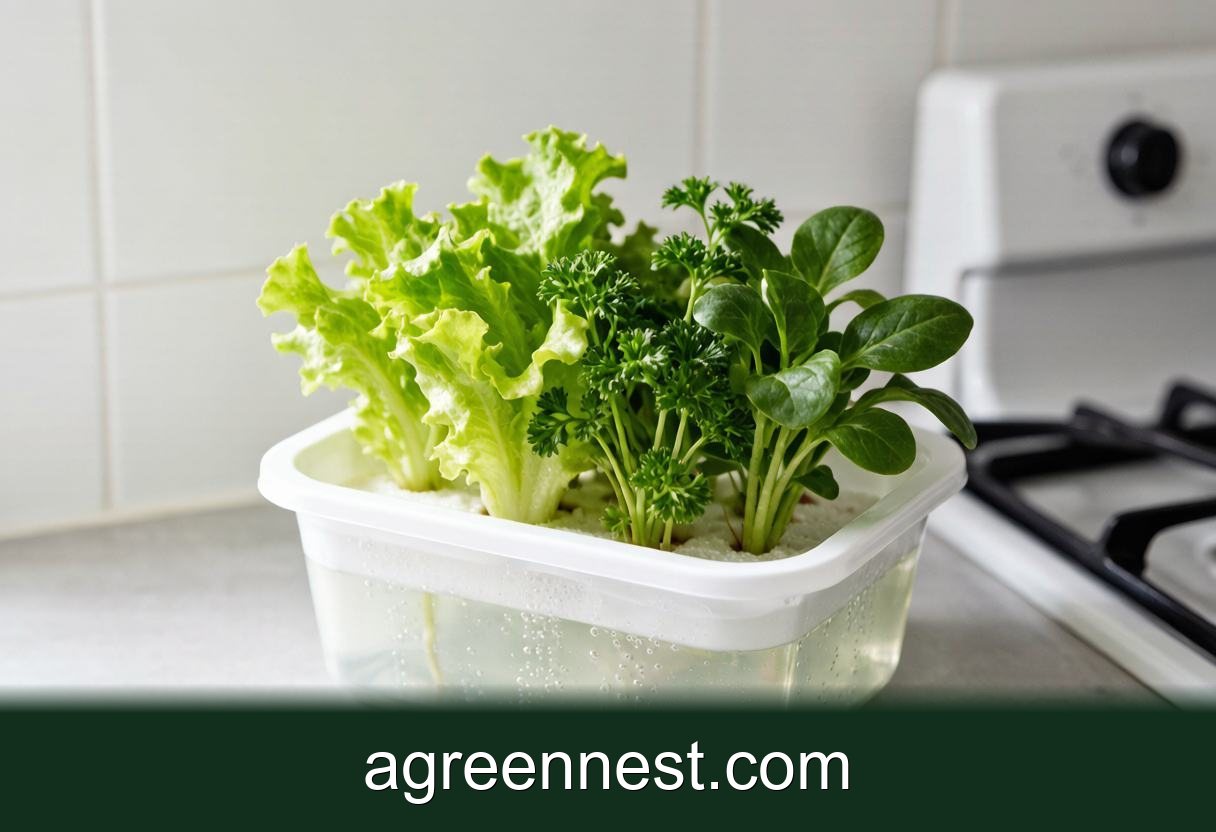
A: Yes, because both want pH 5.8 to 6.2 and similar cool roots, but lettuce likes EC around 1.2 to 1.6 while beets want 1.8 to 2.4. Run the mix at 1.6 to 1.8 and both crop, though neither hits its peak. Separate totes give the best roots.
Q: Do hydroponic beets taste different from garden beets?
A: Cleaner and a little sweeter, because the steady EC and cool roots avoid the stress that makes soil beets woody. There is no grit to wash off, which is the part most people notice first.
Q: Why are my beet leaves red but the root tiny?
A: The variety is likely a leaf-focused type, or the root is still young. Some beets size the root slowly; give it the full 55 to 70 days and keep EC at 1.8 plus. If leaves are huge and the root stalls past 70 days, the light is too weak.
Q: Can beets run in a Kratky jar on a windowsill?
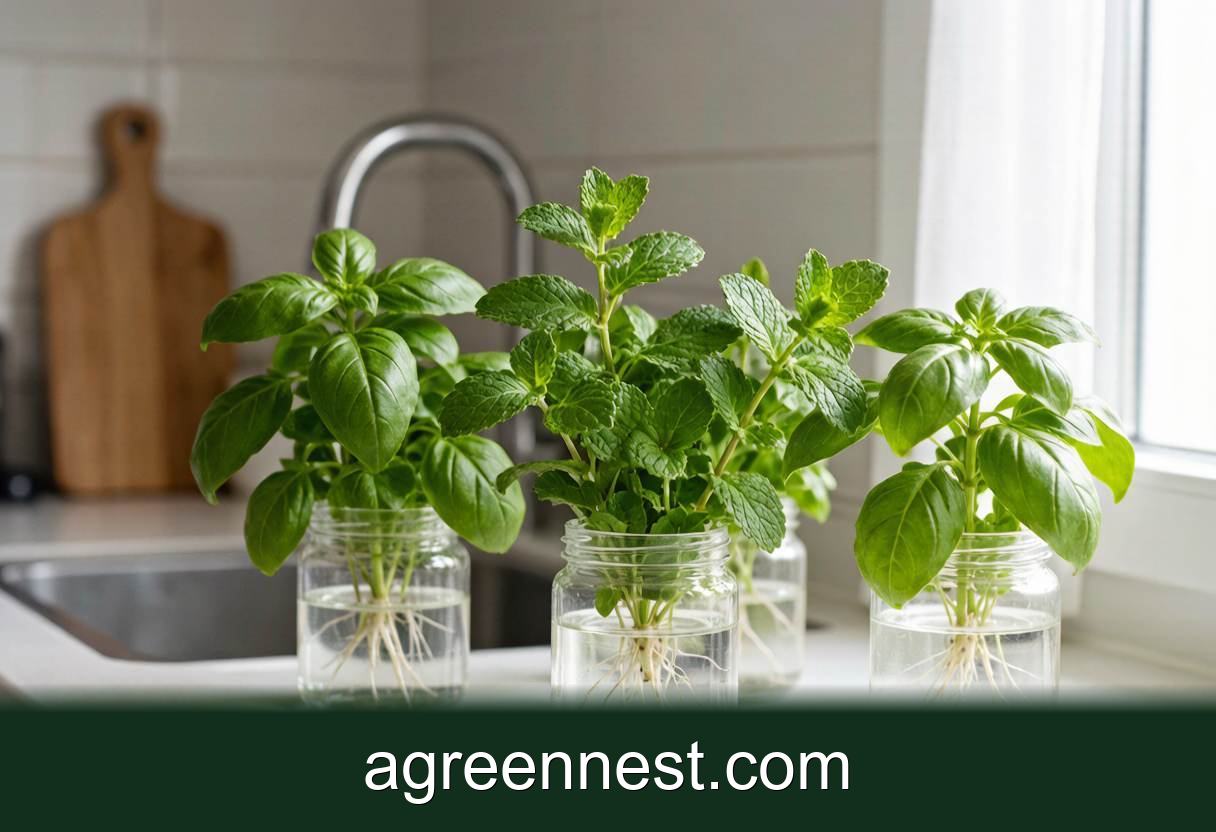
A: They can, if the sill holds 12 to 14 hours of bright light and stays under 24°C. Use a 10 to 15 litre jar, one plant, and refill with half-strength nutrient as the level drops. The Kratky guide has the refill math.
Q: How do I stop algae on the hydroponic reservoir?
A: Block all light from the tote with a dark lid and a loose wrap of foil tape over any gap, and the algae prevention guide covers the rest. Algae steals nutrients and warms the root zone, which is the last thing beets want.
Beets are a low-drama root crop once the numbers are set: pH 5.8 to 6.2, EC 1.8 to 2.4, 12 to 14 hours of light, and a root zone kept at 16 to 22°C. Run them in a DWC tote or a Kratky jar, sow a new seedling every two weeks, and you get a clean golf-ball root on a rolling harvest. For the exact bottle and strength to start, the liquid fertilizer guide shows how to mix without burning the seedlings.
Recommended Tools for Hydroponic Growing Care
Free, no-signup helpers matched to this guide.
Free Ebooks to Explore
Downloadable handbooks — no email required.
Free Ebook
The AGreenNest Succulent Care Handbook
The complete, beginner-to-confident guide to growing fat, happy succulents — 10 chapters and a 20-plant directory.
Free Ebook
Haworthia & Haworthiopsis Care Handbook
A focused guide to the striped, forgiving Haworthia clan.
Sources & further reading
GreenNest authors research and write every guide independently. The external links below are reputable references we recommend for deeper reading — they are not the sources we copied from.
- Michigan State University — Horticulture — Michigan State University
- NC State Extension — Plant Toolbox — NC State Extension
- University of Minnesota Extension — U Minnesota Extension
Share Your Plant Story
Grown something tricky, or found a trick that finally worked? Tell us in the comments, or see what other readers are sharing on our Community page. The best reader tips get folded back into our guides.
Join the Conversation
Have a tip or a question about Hydroponic Beets: A Precise Grow Guide? Share it below — comments are saved on our server.