 AGreenNest
Plant Care Accessories
Choose a Plant Caddy With Casters That Roll
Choose a plant caddy with a steel or hardwood base sized 5cm wider than the pot and casters rated for at least 25kg total. Pick locking wheels so a 20kg *Ficus* stays put, and keep the caddy on a hard floor, not deep carpet, where it rolls smooth and will not tip.
A 30cm floor plant in a ceramic pot weighs close to 20kg. Moving it to chase the winter sun once meant a strained back and a scratched floor. Good casters fix both, but only at the rated load. I learned this the hard way with a plastic caddy rated for 10kg and an 18kg Ficus that cracked the wheels in a month. Specs decide whether the caddy rolls or collapses. The numbers below keep a heavy plant mobile and safe on a hard floor.
Why Bother Moving a Heavy Pot at All?
Light shifts with the seasons. A plant happy by the south window in July sits in shade by January, and a static pot slowly declines as the sun angle drops. My south window drops from 6 hours of direct light in July to under 2 in January. Slide it 60cm closer to the glass and you add the 2 to 3 hours of light needed to hold leaves through winter. Cleaning under the pot also gets easy, since dust and water stains collect where mould starts. Most readers skip this step and then blame the plant.
Lifting stays the alternative, and a 20kg pot is a chiropractic bill waiting to happen. One hand and a caddy turn a two person job into a slide. For a cast iron plant that barely moves, a caddy matters less, but a light hungry Sansevieria that you rotate toward the window earns the tool its place.
What to Look For and What to Avoid
Start with a steel or hardwood base, never moulded plastic, and a stated load rating of at least 25kg so a 20kg pot sits within margin. Casters should measure 4 to 5cm across, with at least two of the four locking. A solid tray or slatted base catches the drainage saucer and keeps the pot from sliding off. Match the caddy 5cm wider than the pot base so the rim overhangs and the load spreads. Steel bases weigh 1.5 to 2kg and last for years, while hardwood runs lighter but needs a varnish against spills.
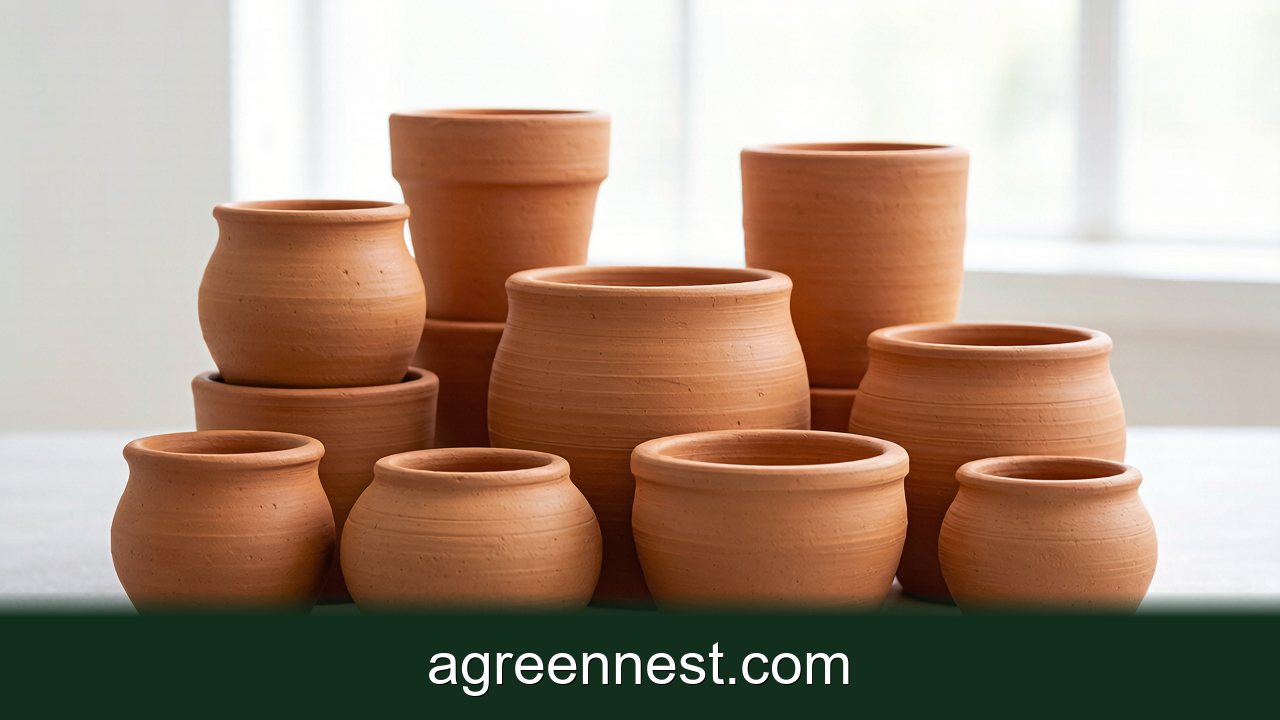
Skip plastic caddies once the pot passes 8kg, because the legs splay and the wheels shear off. Tiny 2cm casters sink into carpet and jam, so avoid them. Caddies with no lock let a plant roll on a slope and tip, which is another skip. Our terracotta pot guide shows how heavy wet pots get, and the caddy must match that full weight before you trust it.
How Do You Size the Base Correctly?
Measure the pot base diameter, not the rim. A 30cm pot often hides a 24cm base, so a caddy with a 28 to 30cm tray fits, 5cm wider than the base for stability. Too small lets the pot overhang and tip when rolled; too large makes the caddy stick out and trip you. Round pots want a round or square caddy of equal or greater width. Simple maths stops most tip overs there: a 20cm pot wants a 25cm caddy.
Height changes the maths too. Five to 8cm of caddy lowers the plant toward the floor, fine for a tall Ficus but awkward for a low succulent. Keep the combined height in mind so the plant still meets the light. On a hard floor, 5cm casters roll smooth; on deep carpet, step up to 6cm or the wheels bog down and the plant tips as you pull.
Which Casters Actually Hold the Weight?
Four 4cm casters rated at 10kg each give 40kg total, plenty for a 20kg pot. The rating is per wheel, so multiply by four and keep the pot under that sum with margin. A 15kg pot needs four 5kg casters at minimum, while a 25kg specimen wants the 40kg total. Hard nylon wheels roll easiest on tile and wood but are loud; rubber rolls quieter and grips better but wears faster. For indoor hard floors, rubber at 5cm is the practical pick.
Locking is not optional. At least two opposing wheels should lock so the plant stays put when parked. A Ficus elastica in a 25cm pot leans if the caddy drifts, and a slow roll into a wall bends the stem. Test the locks by pushing the loaded caddy on a slight slope; any movement means weak locks and a plant at risk.
Keeping the Caddy Stable on the Floor
Roll the plant on the flat, never across a threshold, where one wheel drops and the pot lurches. Hard floors let the caddy glide, but deep pile carpet bogs even good casters, so lift rather than drag there. Check the caster screws every two months, because rolling vibration loosens them and a missing screw racks the base. Grease each caster bearing once a year to keep the roll quiet.
Water weight hides on a caddy too. A self watering pot adds litres, so recount before you buy. A 30cm self watering unit with soil and reservoir can hit 25kg, past a 25kg rated caddy. Size up to a 40kg caddy in that case. Cheap insurance against a dropped floor plant beats saving a few dollars on a weak base.
Frequently Asked Questions
My caddy wheels cracked after a month. What went wrong?
The load exceeded the rating. A 20kg pot needs a 25kg plus caddy, and plastic bases fail first. Buy steel or hardwood with casters rated for at least 10kg each, and the wheels will outlast the plant.
Can I use a caddy on deep carpet?
Barely. Small casters sink and the plant tips as you pull. Use 6cm rubber wheels and accept a hard pull, or lift the caddy over the carpet rather than roll it. Hard floors are the right home for a caddy.
Should all four wheels lock, or just two?
Two opposing locks hold a plant on a flat floor. Four locks make it harder to unlock when you move it. Pick a caddy where two wheels lock and the other two swivel for easy turning.
A plant caddy with the right load rating turns a back breaking move into a one hand slide and protects your floor. Size the base 5cm wider than the pot, pick casters rated for the real weight, and lock two wheels when parked. Match it with our terracotta pot guide so the pot and the caddy carry the load together.
Recommended Tools for Plant Care Accessories Care
Free, no-signup helpers matched to this guide.
Free Ebooks to Explore
Downloadable handbooks — no email required.
Free Ebook
The AGreenNest Succulent Care Handbook
The complete, beginner-to-confident guide to growing fat, happy succulents — 10 chapters and a 20-plant directory.
Free Ebook
Haworthia & Haworthiopsis Care Handbook
A focused guide to the striped, forgiving Haworthia clan.
Sources & further reading
GreenNest authors research and write every guide independently. The external links below are reputable references we recommend for deeper reading — they are not the sources we copied from.
- Michigan State University Extension — Michigan State University
- Oregon State University Extension — Oregon State Extension
- Clemson Extension — Clemson Extension
Share Your Plant Story
Grown something tricky, or found a trick that finally worked? Tell us in the comments, or see what other readers are sharing on our Community page. The best reader tips get folded back into our guides.

Join the Conversation
Have a tip or a question about Choose a Plant Caddy With Casters That Roll? Share it below — comments are saved on our server.