 AGreenNest
Hydroponic Growing
Hydroponic Parsley: pH, EC, and Endless Harvests
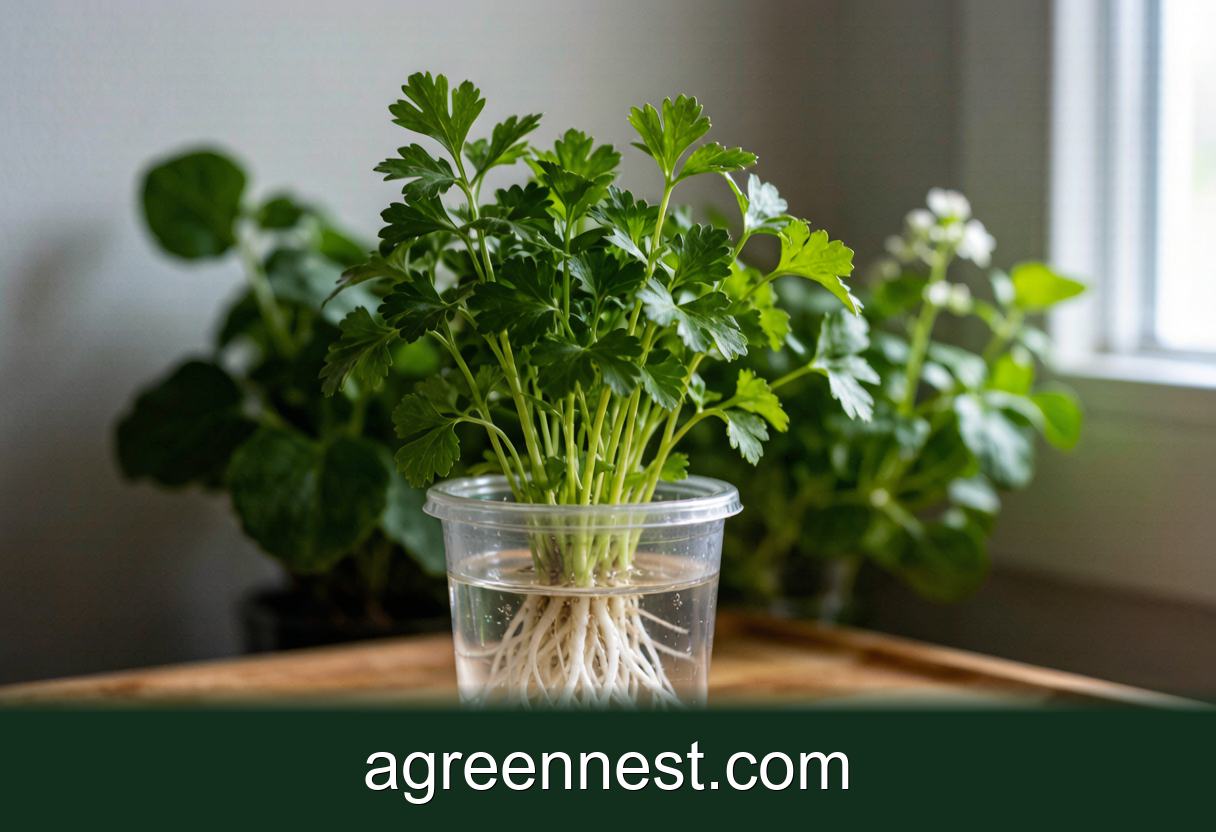
Parsley (Petroselinum crispum) grows well in hydroponics using Kratky, DWC, or NFT. Keep the pH at 5.8 to 6.2, the EC at 1.4 to 1.8, and give it 12 to 14 hours of light. Sow seeds 2 to 3 weeks ahead, then cut outer stems for months of harvest.
Parsley has a reputation for being slow, and that reputation is half true. In soil it can sit for three weeks before a single seedling shows. In a warm water culture setup with the pH dialed in, I have had Petroselinum crispum up in eleven days and cutting-ready in seven weeks. The plant is not slow. It just punishes cold, dry, or badly buffered starts, and hydroponics removes two of those three problems for you.
Here is the exact setup I run for both flat-leaf (Italian) and curly parsley, plus the numbers that keep it producing until winter.
Which hydroponic method suits parsley?
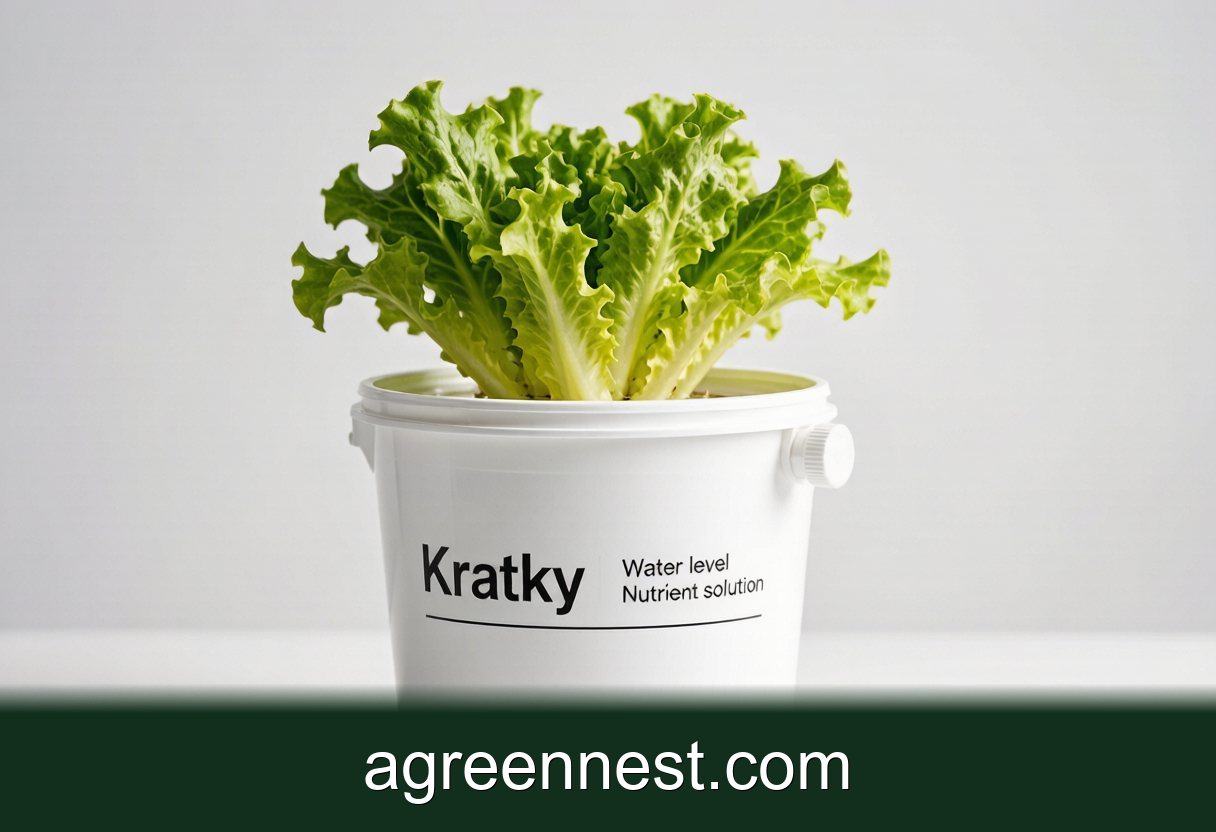
Parsley has a deep taproot in soil, but in water it throws a dense fibrous mat instead, so it adapts to almost any system. For a first grow I point people at the Kratky method, a passive jar or tub with no pump. Parsley drinks slowly, so a 4 litre reservoir per plant carries it a long way without you touching it.
If you want faster, bushier growth, deep water culture with an air stone beats Kratky by a clear margin. The extra oxygen at the roots pushes leaf production up. For a wall of parsley feeding a kitchen every day, an NFT channel is the efficient choice, though it is more kit than a beginner needs. A basic starter system covers all three approaches.
What pH and EC does hydroponic parsley need?
This is where most parsley grows go wrong, so I will be blunt with the targets.
Keep the pH between 5.8 and 6.2. Parsley locks out iron and calcium above 6.5, and the first sign is pale new leaves with green veins. Check it every two or three days with a pen meter and correct drift with a few drops of pH down. If you are new to the reading, the pH management guide walks through the routine.
Run the EC (nutrient strength) at 1.4 to 1.8 mS/cm. That is a moderate feed. Parsley is a leafy herb, not a fruiting crop, so pushing the EC past 2.0 burns the leaf tips and does nothing for yield. Start seedlings at 0.8 to 1.0 for the first two weeks, then step up. A balanced leafy-green nutrient is all it wants; the nutrient guide covers the ratios.
Starting seeds without the three-week wait
Parsley seed carries a natural germination inhibitor in its coat, which is the real reason it stalls. I soak seed in room-temperature water for 24 hours before sowing, change the water once, and that alone cuts germination time by about a week.
Sow two or three seeds into a rockwool cube or a plug, keep the medium at 20 to 24C, and cover for humidity until the first sprouts break. At that temperature I see green in 10 to 14 days. Below 15C the seed sulks for a month, so a warm spot or a heat mat pays for itself. Thin to the strongest seedling once it has two true leaves.
How much light does parsley want indoors?
Parsley is a full-sun herb, and low light is the second most common reason people end up with thin, floppy stems. Give it 12 to 14 hours a day under an LED, kept 20 to 30cm above the canopy. On a bright windowsill it will grow, but slowly and leggy, because most windows deliver a fraction of what the leaves want.
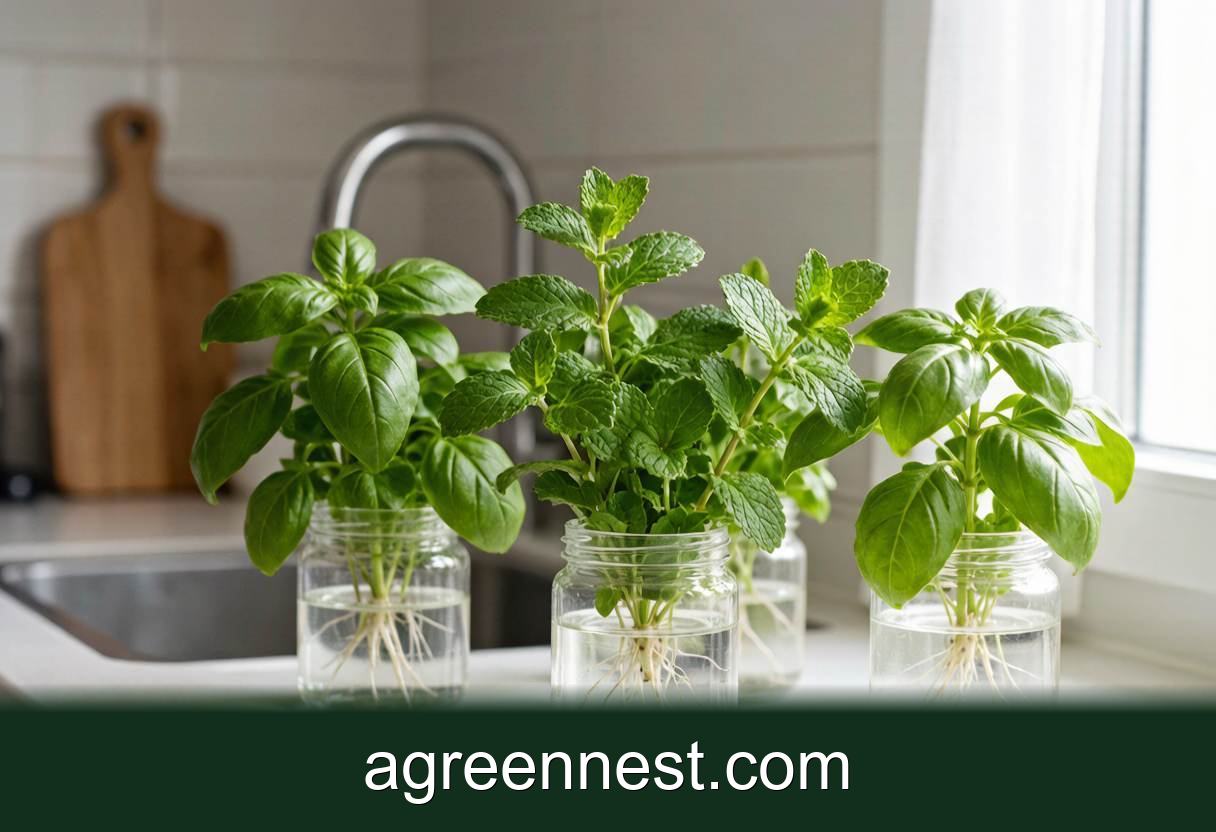
I run mine at the same bench as basil and lettuce, all under one bar. If you are choosing hardware, the general grow light setup rules apply here without change. Aim for a full-spectrum light rather than a dim decorative strip.
Why is my hydroponic parsley turning yellow?
Nine times out of ten it is pH drift, not a lack of feed. When the reservoir creeps above 6.5, iron becomes unavailable and the youngest leaves go pale first while the veins stay green. Correct the pH, and colour returns to new growth within a week. The old pale leaves will not re-green, so cut them.
If the yellowing starts on the oldest lower leaves instead, that points to a nitrogen shortfall or a reservoir you have not topped up in too long. Refresh the solution every two to three weeks and top up with plain pH-balanced water between changes. The nutrient deficiency guide maps each colour pattern to its cause if you are unsure which one you have.
Harvesting so one plant lasts months
Here is the part people get wrong: never shear the whole plant flat. Parsley grows from the centre outward, so you cut the oldest outer stems at the base and leave the young inner crown alone. Take no more than a third at a time.
Do that every week or so and a single plant produces for three to four months before it decides to bolt and flower. Cutting the outer stems also keeps air moving through the plant, which lowers the odds of the fungal problems that plague crowded herbs. When it finally sends up a flower stalk, the leaf flavour turns bitter, and that is your signal to start a fresh seedling. I keep a replacement germinating a month before I expect the old one to quit, so there is never a gap on the bench.
Frequently Asked Questions
Q: Flat-leaf or curly parsley for hydroponics?
A: Both grow the same way with identical pH and EC. Flat-leaf (Italian) has stronger flavour and grows a touch faster; curly holds up better as a garnish. I grow flat-leaf for cooking and curly only when someone asks for it.
Q: How many parsley plants for a steady kitchen supply?
A: Two mature plants keep a two-person household in fresh parsley if you cut a third from each weekly. Stagger a third seedling every six weeks so you always have one coming up behind the ones you harvest.
Q: Can parsley share a reservoir with basil or lettuce?
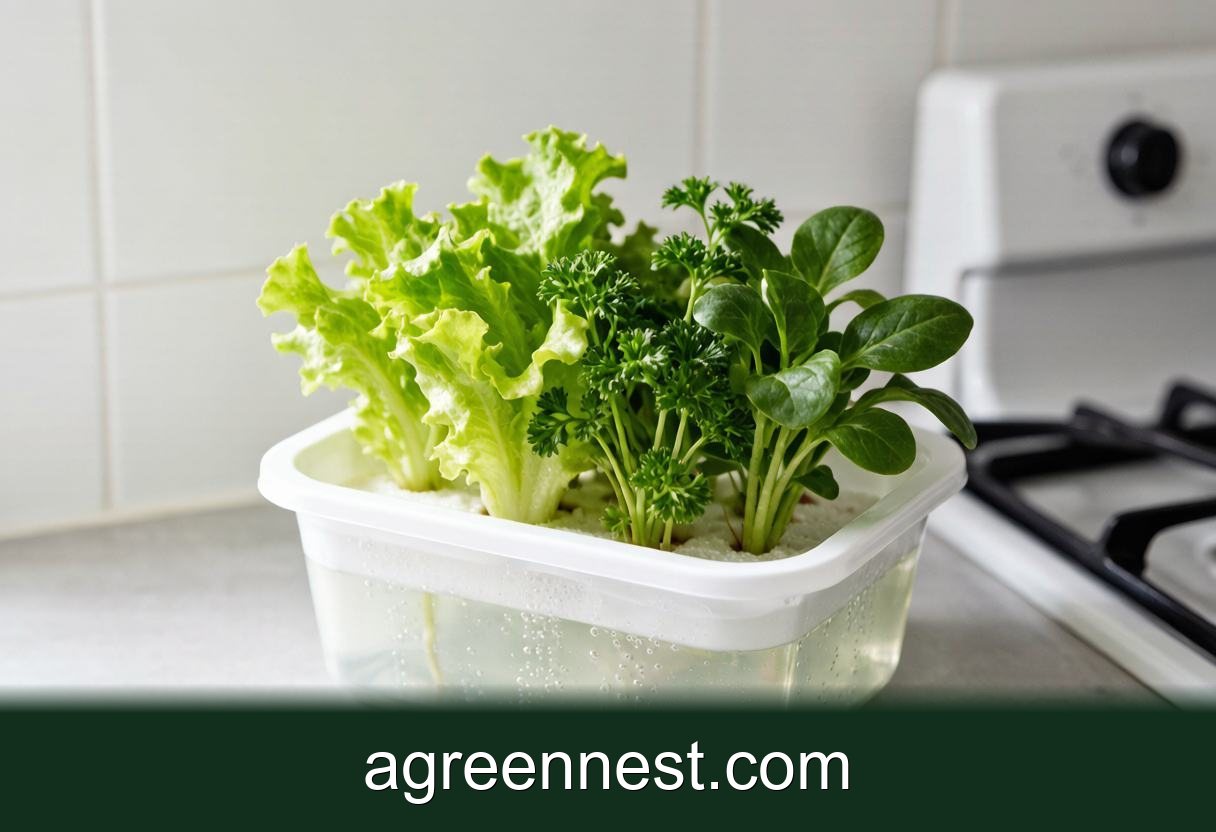
A: Yes, all three take the same 5.8 to 6.2 pH and a similar EC, so they co-exist well in DWC or NFT. Just watch that faster basil does not shade the parsley out; keep the canopy even.
Q: My parsley bolted after two months. Did I do something wrong?
A: Usually it is heat or a light cycle that mimics long summer days, both of which trigger flowering. Keep the water under 22C where you can, and treat bolting as normal end-of-life rather than a failure. Start a replacement and move on.
Q: Do I need to change the whole reservoir, or just top it up?
A: Top up with pH-balanced water between feeds, but do a full change every two to three weeks. Salts build up as the plant drinks, and a stale reservoir is where the usual beginner mistakes start to bite.
Parsley is not a difficult crop once you stop treating it like a soil plant. Soak the seed, hold the pH at 5.8 to 6.2, feed at an EC of 1.4 to 1.8, give it 12 to 14 hours of light, and cut from the outside in. Do that and one bench of plants runs from spring into winter. If you are still deciding which herbs to start with, our best herbs for hydroponics roundup ranks the easy wins.
Recommended Tools for Hydroponic Growing Care
Free, no-signup helpers matched to this guide.
Free Ebooks to Explore
Downloadable handbooks — no email required.
Free Ebook
The AGreenNest Succulent Care Handbook
The complete, beginner-to-confident guide to growing fat, happy succulents — 10 chapters and a 20-plant directory.
Free Ebook
Haworthia & Haworthiopsis Care Handbook
A focused guide to the striped, forgiving Haworthia clan.
Sources & further reading
GreenNest authors research and write every guide independently. The external links below are reputable references we recommend for deeper reading — they are not the sources we copied from.
- Michigan State University Extension — Michigan State University
- NC State Extension Plant Toolbox — NC State Extension
- University of Minnesota Extension — U Minnesota Extension
Share Your Plant Story
Grown something tricky, or found a trick that finally worked? Tell us in the comments, or see what other readers are sharing on our Community page. The best reader tips get folded back into our guides.
Join the Conversation
Have a tip or a question about Hydroponic Parsley: pH, EC, and Endless Harvests? Share it below — comments are saved on our server.