 AGreenNest
DIY Plant Projects
Build a Hydroponic Jar Garden From a Mason Jar
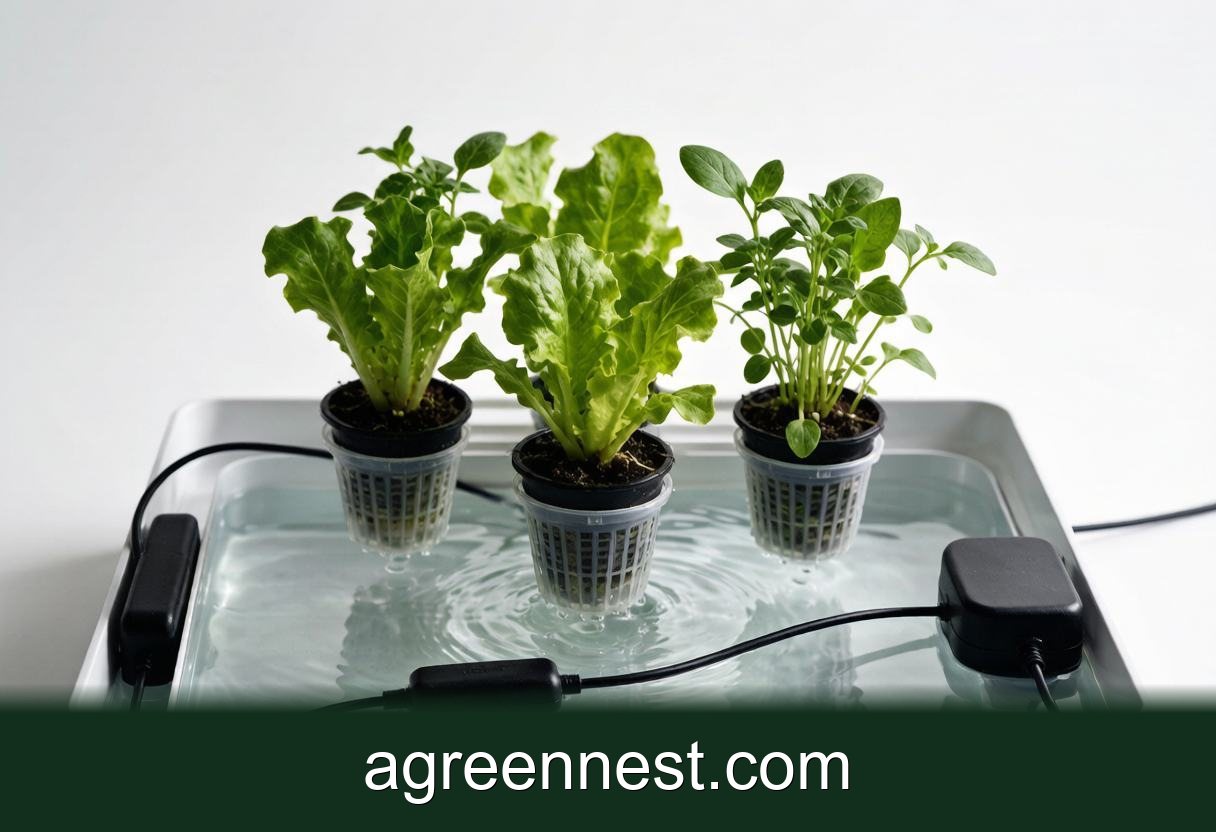
Build a hydroponic jar garden by setting a 5cm net cup in a 1 litre mason jar lid, filling the cup with perlite, and lowering *Lactuca sativa* (lettuce) seedlings so roots reach a nutrient solution of 1.5ml concentrate per litre. Top up weekly and keep the jar 15 to 20cm from a grow light for 14 hours daily.
I wanted fresh lettuce in January without a greenhouse, so I built a row of mason jar hydroponics on the kitchen counter. No pump, no air stone, no electricity beyond a small LED panel. The method is passive: a net cup holds the plant in perlite, the roots dangle into a nutrient solution, and the plant drinks what it needs. A 1 litre jar grows one lettuce or three herb seedlings to harvest in 30 to 45 days. This build is cheap, quiet, and a good first step before you buy a full hydroponic kit.
Why Grow in a Jar Instead of Soil?
Soil indoors means mess, fungus gnats, and uneven feeding. A jar system is clean, the nutrient level is visible through the glass, and the roots get oxygen from the air gap above the solution. Lettuce especially hates wet soil crowns, and hydroponics keeps the stem dry while the roots sit in food. The yield per litre of space beats a pot, and there is no repotting.
The catch is the nutrient mix. Plain water starves the plant in a week, so you need a balanced hydroponic concentrate with nitrogen, potassium, and calcium. Use 1.5ml of a standard 2 part concentrate per litre of water, not the 5ml some soil feeds suggest, because roots in water take it differently. Our fertilizer guide explains the numbers if you want the detail.
What you need
- One 1 litre mason jar with a two piece lid
- One 5cm net cup that sits in the lid hole
- Perlite, enough to fill the net cup
- A hydroponic nutrient concentrate (2 part type)
- Lettuce seedlings or herb cuttings, 3 per jar
- A small LED grow panel, 20 to 40 watts
- A pH strip or a cheap meter, target 5.5 to 6.5
Use a clear jar so you can see the solution level, but wrap the lower half in aluminium foil if algae appears, because light on the water grows green scum. The algae prevention notes cover that fight in a bigger system and the same rules apply here.
How Does the Nutrient Balance Work?
The roots sit in a solution of 1.5ml concentrate per litre, topped to 2cm below the net cup so the perlite wicks it up. The air gap above the solution gives the roots oxygen, which is why passive jars work without an air pump. As the plant drinks, the level drops about 1cm every three days, and you top up with plain water, not more concentrate, to avoid salt build up.
Every 14 days, dump the jar, rinse the roots, and refill with fresh mixed solution so the nutrient ratio stays right. A pH outside 5.5 to 6.5 locks out iron and the leaves yellow, so check weekly with a strip. Keep the jar 15 to 20cm under the grow light for 14 hours a day, because a windowsill in winter is too dim for fast lettuce.
Step 1: Assemble the jar
Drill or punch a 5cm hole in the centre of the lid disc, leaving the ring intact. Press the net cup into the hole so its rim rests on the lid. Fill the cup with perlite to 1cm below the rim. Screw the ring with the lid and cup onto the clean jar. The cup should sit proud of the lid so the plant collar stays dry while the roots reach down.
Step 2: Start the seedlings
Use lettuce seedlings at the two true leaf stage, three per jar spaced in the perlite, or basil cuttings with the lower leaves stripped. Set each so the stem base touches the wet perlite and the roots dangle toward the solution. Do not bury the stem, because a wet crown rots. A pothos cutting also roots in a jar and is near indestructible if you just want green.
Step 3: Mix and fill the solution
Mix 1.5ml of part A and 1.5ml of part B concentrate into 1 litre of room temperature water, stir, and check pH. Pour into the jar to 2cm below the net cup base. The perlite wicks the solution up to the roots within an hour. Top up with plain water when the level drops to 4cm, and do a full change every 14 days to keep the salts balanced.
Step 4: Light and maintain
Run the LED panel 14 hours daily on a timer, 15 to 20cm above the jar tops. Harvest outer lettuce leaves at 30 to 45 days, or cut basil above a node. Watch for algae on the glass; if it appears, foil the lower jar and change the solution. Within six weeks you will have salad from a jar that uses no soil and no pump, a tidy proof that hydroponics does not need a lab.
What grows well, and what to avoid
Best crops are leafy and fast: Lactuca sativa (lettuce), Ocimum basilicum (basil), and Mentha (mint) all thrive in a 1 litre jar. Three lettuce seedlings or one basil plant per jar is the right density. Avoid root crops and anything large like tomato, which needs far more solution and light than a jar gives.
Do not use garden soil in the cup, because it clogs the wick and breeds gnats. Perlite or leca only. Skip sweetening the water with sugar or any home remedy, because it feeds bacteria, not the plant. If a seedling wilts after day two, the roots are not reaching the solution, so lower the plant 1cm and check the level.
Frequently Asked Questions
How often do I change the water completely?
A: Every 14 days. Top up with plain water between changes as the level drops about 1cm every three days, but a full swap keeps the nutrient ratio and pH from drifting out of range.
Can I run this without a grow light, on a windowsill?
A: In summer, a bright south sill works. In winter, a windowsill is too dim and the lettuce stretches and tastes bitter. Use a 20 to 40 watt LED panel on a 14 hour timer for steady growth year round.
My solution turned green and smelly. What happened?
A: Light reached the water and grew algae, or the solution sat too long. Foil the jar lower half, dump and refill with fresh mix, and keep the change to every 14 days. The algae guide explains the cause in depth.
A mason jar hydroponic garden grows clean lettuce and herbs on the counter with no pump and no soil. Mix 1.5ml per litre, keep the light at 14 hours, and change the solution every two weeks. When you outgrow the jar, our hydroponic kit guide shows the next step up.
Recommended Tools for DIY Plant Projects Care
Free, no-signup helpers matched to this guide.
Free Ebooks to Explore
Downloadable handbooks — no email required.
Free Ebook
The AGreenNest Succulent Care Handbook
The complete, beginner-to-confident guide to growing fat, happy succulents — 10 chapters and a 20-plant directory.
Free Ebook
Haworthia & Haworthiopsis Care Handbook
A focused guide to the striped, forgiving Haworthia clan.
Sources & further reading
GreenNest authors research and write every guide independently. The external links below are reputable references we recommend for deeper reading — they are not the sources we copied from.
- University of Florida IFAS — UF IFAS
- Michigan State University Extension — Michigan State University
- Oregon State University Extension — Oregon State Extension
Share Your Plant Story
Grown something tricky, or found a trick that finally worked? Tell us in the comments, or see what other readers are sharing on our Community page. The best reader tips get folded back into our guides.
Join the Conversation
Have a tip or a question about Build a Hydroponic Jar Garden From a Mason Jar? Share it below — comments are saved on our server.