 AGreenNest
Hydroponic Growing
Wick System Hydroponics: A Truly Hands-Off Setup
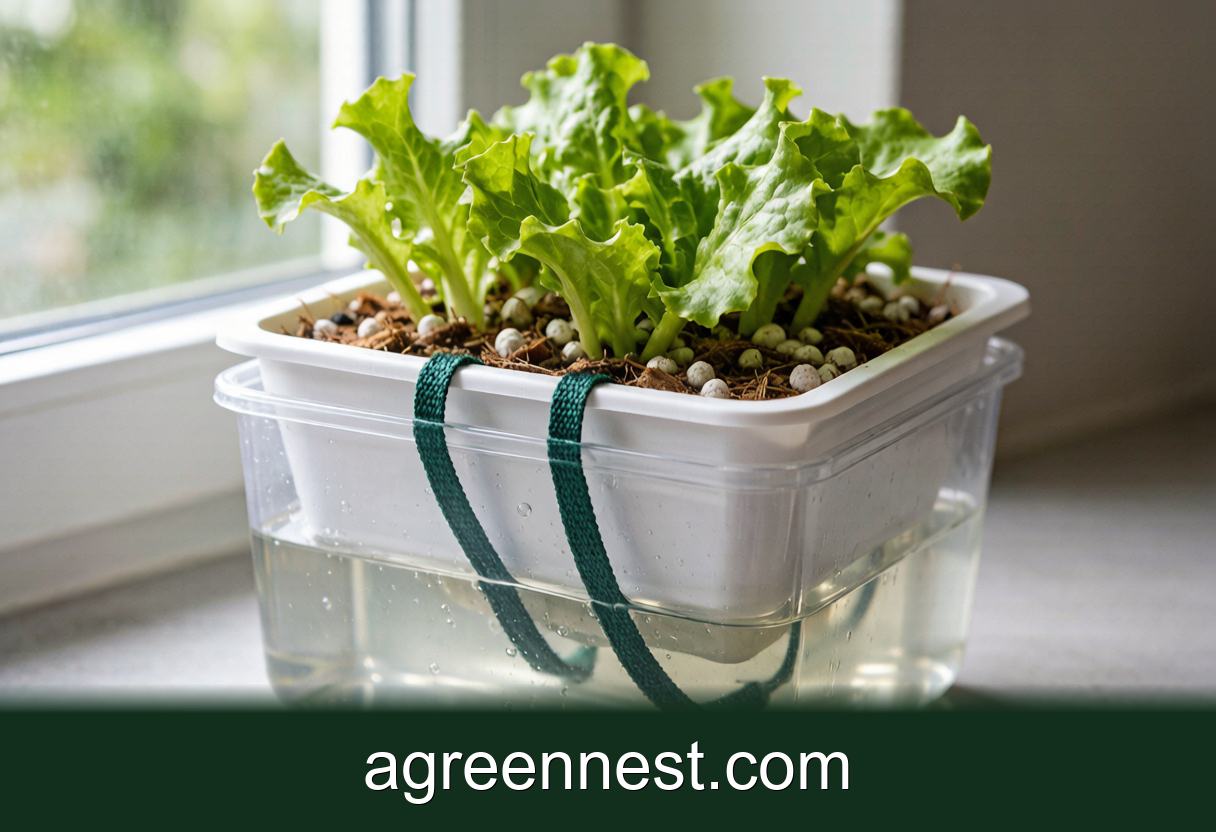
A wick system feeds plants through a nylon or cotton rope that pulls nutrient solution from a reservoir into the growing medium by capillary action. Run it at 1.2-1.8 EC and pH 5.8-6.2 for herbs and greens. It needs no pump or power, but it cannot keep up with heavy fruiting crops.
A wick system has no pump, no timer, and no air stone, yet it can keep a pot of basil fed for two weeks while you forget it exists. The physics doing the work is capillary action, the same force that pulls coffee up a paper towel. Get the wick and the medium right and the plant waters itself.
I like wick setups for a specific reason: they fail slowly and predictably. There is no pump to burn out at 2 a.m. and drain your reservoir onto the floor. That reliability makes them a smart first build before you graduate to something like the Kratky method or an active drip line.
What Is a Wick System, Exactly?
A wick system is passive hydroponics. You have two chambers: a growing container on top holding the plant and its medium, and a reservoir below holding nutrient solution. One or more wicks run between them. The wick sits in the solution at one end and threads up into the root zone at the other. Capillary action moves water and dissolved nutrients along the fibers, so the medium stays damp without any electricity.
Michigan State University Extension groups these among the simplest soilless methods because nothing has to be timed or pressurized. The catch is delivery rate. A wick can only move so much liquid per hour, and that ceiling decides which plants you can grow.
The Exact Parts and Media You Need
The parts list is short, and most of it costs under 20 dollars.
- Two containers: an opaque tub of roughly 4-8 liters for the reservoir, and a net pot or smaller pot on top.
- Wicks: 2 to 4 strands of thick nylon rope, cotton mop cord, or polyester felt strips, each about 20-30 cm long.
- Growing medium: a mix that wicks well, such as 50 percent coco coir with 50 percent perlite, or straight vermiculite.
- Nutrient solution mixed for leafy greens.
- pH test kit and a small syringe of pH down.
Nylon beats cotton for one reason: cotton rots after 6-8 weeks and starts to clog. Nylon lasts for months. Before you build, soak the wicks in plain water so they are fully saturated. A dry wick will not start pulling on its own, and that single oversight is the most common reason a first build looks like it does nothing.
How Do You Build One in 20 Minutes?
Follow these five steps and you will have a running system before your coffee cools.
- Drill or cut two holes in the base of the top container so the wicks can pass through.
- Thread each wick up through a hole, leaving about 8 cm inside the pot and 15 cm dangling into the reservoir.
- Fill the top pot with your damp coir and perlite mix, fanning the wick ends out through the medium so they touch many roots, not one spot.
- Fill the reservoir with nutrient solution until the dangling wick ends sit well under the surface.
- Transplant a seedling that already has a few true leaves, then set the whole thing under light.
Give the plant 12 to 16 hours of bright light a day. A south window works in summer, but a modest LED panel gives steadier results, especially in winter. For a deeper look at light hours by crop, our beginner hydroponics guide breaks it down.
Getting the Nutrients and pH Right
Wick systems concentrate salts over time because water evaporates and transpires away while minerals stay behind. That slow buildup is the number one thing to manage.
Mix your solution to 1.2-1.8 EC for lettuce and herbs, on the lower end for seedlings. Target a pH of 5.8-6.2, where most nutrients stay available to the roots. Check both weekly with the same routine every time, since drift creeps up quietly. If you want the reasoning behind those numbers, our hydroponic nutrients guide covers the full range.
Every 2 to 3 weeks, dump the reservoir, rinse it, and refill with fresh solution. When you top up between changes, add plain pH-balanced water rather than full-strength nutrients, or the salt level climbs fast. Warm reservoirs above 24 C also lose oxygen and invite root rot, so keep the tub out of direct sun.
Which Plants Actually Thrive on a Wick?
Light feeders with modest water needs are the winners.
- Lettuce and other loose-leaf greens.
- Basil, mint, parsley, and chives.
- Spinach, arugula, and small Asian greens like bok choy.
- Small ornamentals and starts you plan to move on later.
Skip tomatoes, cucumbers, and peppers. A fruiting Solanum lycopersicum can drink over a liter a day at peak, and no reasonable number of wicks pulls that fast. The medium dries at the top, the plant wilts by afternoon, and you end up hand-watering anyway, which defeats the point.
Where Wick Systems Fall Short
I am blunt about the limits because they save you a wasted month. Delivery rate is fixed by wick surface area, so large or thirsty plants outgrow the setup. Salt buildup demands regular flushing that beginners often skip. And because the medium stays constantly moist, poor-draining mixes can go anaerobic and rot roots.
The fix for most of these is more wicks and a coarser, airier medium. Add a fourth or fifth strand and swing the mix toward perlite if a plant looks thirsty. Past a certain size, though, accept that the crop has outgrown a passive method and move it to an active system.
Frequently Asked Questions
Q: My wick system medium is dry on top after a week. What went wrong?
A: Either the wick was not pre-soaked, the medium holds water poorly, or the plant is drinking faster than the wick delivers. Pre-soak the wick, add a second strand, and mix in more coir to hold moisture.
Q: Can I run a wick system with plain tap water and no nutrients?
A: No. Water alone starves the plant within days. Wick systems still need a balanced hydroponic solution at 1.2-1.8 EC.
Q: How many wicks should I use per pot?
A: Start with two for a small herb and three to four for lettuce. More wicking surface means faster delivery, so add strands if the medium dries out.
Q: Do wick systems grow algae like other setups?
A: They can if light reaches the reservoir. Use an opaque tub and a snug lid so the solution stays dark.
A wick system is the closest hydroponics gets to set-and-forget, as long as you match it to light feeders and flush the salts on schedule. Build one with a spare tub this weekend and grow a pot of cut-and-come-again lettuce. When you are ready to compare methods, run the numbers with our nutrient dosing tool and scale up from there.
Sources & further reading
GreenNest authors research and write every guide independently. The external links below are reputable references we recommend for deeper reading — they are not the sources we copied from.
- Michigan State University Extension — Michigan State University
- NC State Extension — Plant Toolbox — NC State Extension
- University of Minnesota Extension — U Minnesota Extension
Recommended Tools for Hydroponic Growing Care
Free, no-signup helpers matched to this guide.
Free Ebooks to Explore
Downloadable handbooks — no email required.
Free Ebook
The AGreenNest Succulent Care Handbook
The complete, beginner-to-confident guide to growing fat, happy succulents — 10 chapters and a 20-plant directory.
Free Ebook
Haworthia & Haworthiopsis Care Handbook
A focused guide to the striped, forgiving Haworthia clan.
Share Your Plant Story
Grown something tricky, or found a trick that finally worked? Tell us in the comments, or see what other readers are sharing on our Community page. The best reader tips get folded back into our guides.
Join the Conversation
Have a tip or a question about Wick System Hydroponics: A Truly Hands-Off Setup? Share it below — comments are saved on our server.