 AGreenNest
Plant Styling & Display
Matching Pots vs Mixed Pots: Which Styles Better?
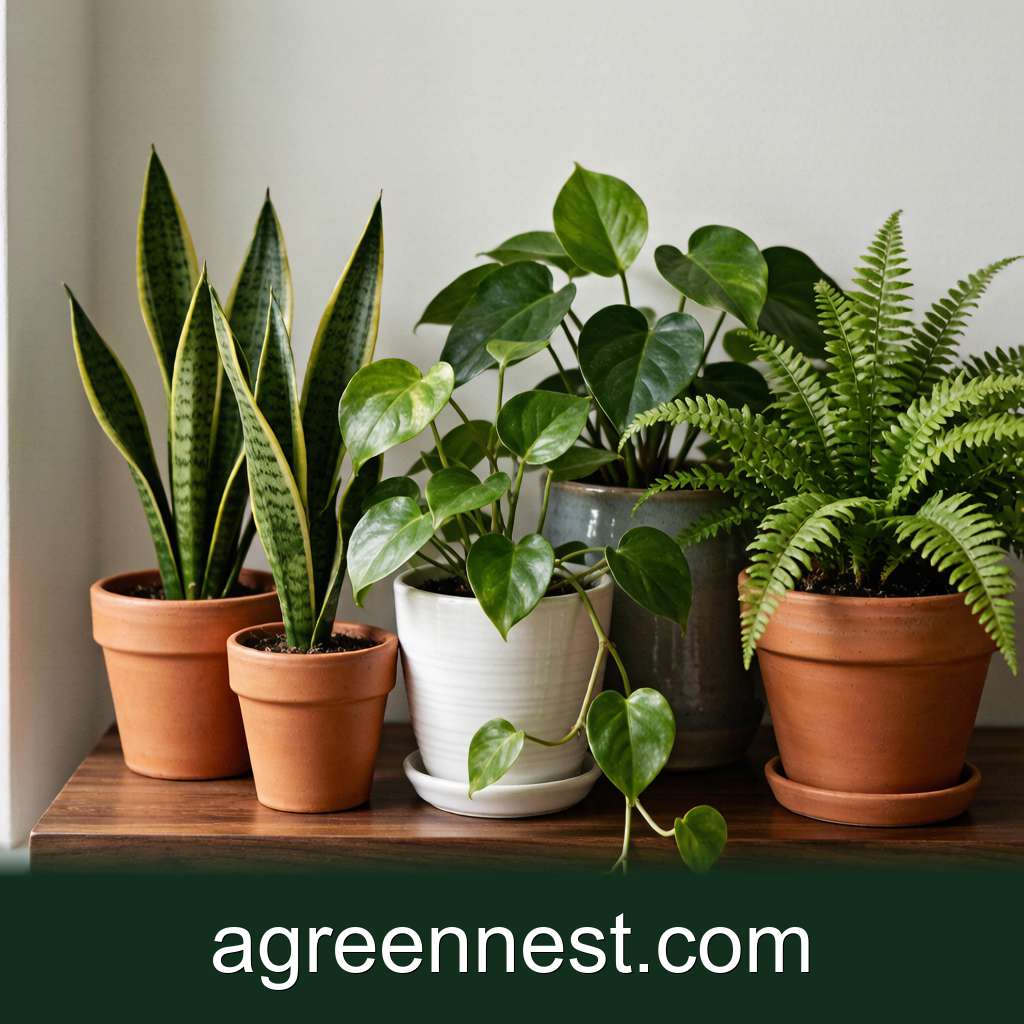
Neither wins outright. Matching pots calm a room and flatter busy foliage; mixed pots add personality but need a limit of two materials and three colours to avoid clutter. Shelves of 5-plus plants usually look better matched, while a floor trio can carry three different pots happily.
The first apartment I ever filled with plants had eleven pots and no two alike. A glazed blue bowl from a thrift store, a plastic nursery pot wrapped in jute, a mug with a broken handle holding a Haworthiopsis attenuata. I loved every one of them. Photographed together, the shelf looked like a yard sale ten minutes before closing.
Then I swung hard the other way. Twelve identical white cylinders, ordered in one late-night cart. The room went calm, almost serene. It also went a little dull, like a dentist's waiting room with better lighting.
Somewhere between those two shelves is the real answer, and after styling a lot of rooms since, I can tell you fairly precisely where it sits.
What Matching Pots Actually Do for a Room
A matched set does one job superbly: it deletes visual noise. When every container is the same colour and material, your eye skips the pots entirely and reads the foliage. Leaf shapes get louder. A frilly Boston fern next to the stiff swords of Sansevieria trifasciata becomes a deliberate contrast instead of two random plants.
That is why matched pots flatter collections of five or more. On a shelf holding seven plants, seven different pots means fourteen things competing for attention. Seven matched pots means seven, and they are all green. My kitchen rail runs six terracotta pots in 10 and 13 cm sizes, and the repetition is what makes it read as one arrangement rather than a queue. The plant grouping rules lean on the same trick: repetition of one element lets you vary everything else.
Matching also hides a practical cheat. Buy the same cachepot in three sizes and repotting day becomes a swap, not a ceremony. Keep the plant in its plastic nursery pot, drop it in, done. If that workflow appeals, the cachepot vs drainage pot comparison covers the watering side.
The cost: personality. A wall of identical cylinders says "I ordered a set", and it can flatten the story of a collection built plant by plant over years. It also punishes one odd pot brutally. Add a single orange planter to a white set and it will shout from across the room.
When Do Mixed Pots Look Collected Instead of Cluttered?
This is the question that decides most rooms, and the difference comes down to limits. Mixed pots look intentional when they share a thread; they look chaotic when anything goes.
The rule I give friends is 60-30-10, borrowed from interior designers. Around 60 percent of your pots in one dominant material, about 30 percent in a second, and the last 10 percent as the wild card. In my living room that is terracotta for the base, white ceramic as the second voice, and one hand-painted Portuguese bowl as the treat. Sixteen pots, three ingredients, zero yard sale.
Two more limits earn their keep:
- Two materials, three colours, maximum. Terracotta plus glazed ceramic works. Terracotta plus ceramic plus concrete plus woven baskets plus copper does not, usually.
- Repeat every element at least twice. A lone black pot looks like an accident. Two black pots at opposite ends of the shelf look like rhythm.
Scale matters too. A floor grouping of three plants can carry three different pots because each pot is big enough, say 20 to 30 cm across, to read as its own object. The same variety on a shelf of small 8 cm pots turns to confetti. For tight spaces, small space plant styling shows how fewer, larger containers beat many tiny ones almost every time.
Which Approach Suits Your Room and Your Plants?
A short field guide from rooms I have styled:
| Situation | Better choice | Why |
|---|---|---|
| Shelf or windowsill, 5+ small plants | Matched | Repetition stops the confetti effect |
| Floor trio with a statement plant | Mixed | Big pots read as individual objects |
| Bold foliage (Calathea, crotons) | Matched, muted | Busy leaves need quiet containers |
| Plain green foliage (pothos, ZZ) | Mixed | Pots supply the interest leaves don't |
| Rental with existing loud decor | Matched, neutral | One calm layer under someone else's choices |
Notice the foliage rows. The busier the leaves, the quieter the pot should be, and the reverse holds. A Calathea orbifolia in a patterned pot is two patterns fighting; the plant loses. A plain Epipremnum aureum in a ribbed mustard planter suddenly looks styled.
Material still has to answer to the plant's roots, not just your shelf. Succulents and drought lovers do better in porous clay that dries in 5 to 7 days; thirsty ferns hold moisture longer in glazed or plastic pots. Terracotta vs plastic pots runs the full comparison. A matched terracotta set is the rare choice that is both a styling decision and a horticultural one.
How Do You Unify a Mismatched Collection Without Rebuying?
You probably own the yard-sale shelf right now, and replacing fifteen pots at $15 to $40 each is a $300 problem. Three cheaper fixes, in the order I would try them:
Paint the outliers. One $8 sample pot of masonry paint covers three or four terracotta pots. I painted five mismatched pots the same warm white in an afternoon, and the shelf snapped into focus before the second coat dried.
Group by colour, not by plant. Move every terracotta pot to one shelf, every white pot to another. Each zone reads as matched even though the whole room is mixed. This costs nothing and takes ten minutes.
Demote the worst offenders to cachepots elsewhere. The neon souvenir planter does not have to go to the bin; it goes to the bathroom windowsill as a solo act, where one loud pot is charm rather than noise.
While you are shuffling, check sizes as well as colours. A pot more than 5 cm wider than the root ball holds soggy soil and sulks; pot sizes explained has the sizing table I still consult.
Frequently Asked Questions
Q: I have twelve plants on one Ikea Kallax shelf and it looks chaotic. Match everything?
A: With that many small pots in a grid, yes, matching is the fast win. Keep two sizes at most, say 10 and 13 cm, in one colour. The Kallax squares already impose a strong grid, and mixed pots fight it.
Q: Do matched pots have to be the same size?
A: No, and they look better when they are not. Same colour and material in three sizes gives you unity plus a height rhythm. Identical size AND colour is what produces the dentist-office effect.
Q: My partner hates my mismatched pots but I love each one. Compromise?
A: Zone the house. Shared rooms get the 60-30-10 palette; your desk or plant corner stays a free-for-all. I keep one shamelessly mismatched shelf in my studio and it makes me happier than any styled vignette.
Q: Are white pots or terracotta easier to keep looking good?
A: Terracotta, by a margin. White ceramic shows every splash and algae line and wants wiping monthly. Terracotta develops a chalky patina that most people read as character, and mineral crust mostly blends in.
Q: Does the nursery-pot-in-cachepot trick limit my styling choices?
A: It widens them. Any container without a drainage hole becomes usable, from enamel bins to baskets, and you can reshuffle looks seasonally in minutes because no plant is committed to its pot.
Match the pots when you want the plants to do the talking; mix them when the plants are plain and the room needs personality. Either way, hold the line at two materials and three colours, and repeat everything at least twice. Before you buy a single new container, size it against the root ball with our pot size calculator so the pretty choice is also the one your plant can live in.
Sources & further reading
GreenNest authors research and write every guide independently. The external links below are reputable references we recommend for deeper reading — they are not the sources we copied from.
- Royal Horticultural Society — Houseplant care — RHS
- Missouri Botanical Garden — Missouri Botanical Garden
- NC State Extension Plant Toolbox — NC State Extension
Recommended Tools for Plant Styling & Display Care
Free, no-signup helpers matched to this guide.
Free Ebooks to Explore
Downloadable handbooks — no email required.
Free Ebook
The AGreenNest Succulent Care Handbook
The complete, beginner-to-confident guide to growing fat, happy succulents — 10 chapters and a 20-plant directory.
Free Ebook
Haworthia & Haworthiopsis Care Handbook
A focused guide to the striped, forgiving Haworthia clan.
Share Your Plant Story
Grown something tricky, or found a trick that finally worked? Tell us in the comments, or see what other readers are sharing on our Community page. The best reader tips get folded back into our guides.
Join the Conversation
Have a tip or a question about Matching Pots vs Mixed Pots: Which Styles Better?? Share it below — comments are saved on our server.